
Juicer.Kitchen Verdict
The Omega NC series juicer is a tried-and-true workhorse offering strong value for money, backed by an industry-leading 15-year warranty. This is our second-favorite horizontal single auger juicer on the market, just behind the Sana 727, which comes at nearly double the price.
This model is particularly well suited for juicing leafy greens, wheatgrass, and vegetables, delivering high yields of nutrient-rich juice with minimal oxidation thanks to its slow 80 RPM operation. While it performs well with most fruits, softer ones like pineapple and overripe apples juice best when mixed with firmer produce. If your main focus is fruit-heavy juicing, a vertical slow juicer may be a better fit.
In addition to its juicing performance, the Omega NC series is quick to assemble and one of the easiest juicers to clean, taking us roughly one and a half to two minutes. It’s a strong choice for those who prioritize vegetable and green juicing and want a durable, easy-to-use machine backed by long-term warranty coverage.
Pros
Excellent for leafy greens, celery and vegetables.
No chopping required for celery and greens.
Easy to assemble and clean
15-year warranty covering the entire machine.
Cons
Less suitable for juicing soft fruits on their own
Narrow feed chute requires produce to be cut to fit
Requires pusher during operation
Why You Can Trust Juicer.Kitchen: We’ve been reviewing juicers for more than 12 years and have influenced over $3M in juicer purchases. Every recommendation here is based on hands-on testing, not marketing claims.
Omega NC900 & NC800 Detailed Review
Intro
The Omega NC800 / NC900 was originally released in 2013. You might wonder why we’re still recommending a juicer that’s been around this long. The reality is that juicer designs don’t change drastically once a platform works well. In fact, we still prefer this model over Omega’s newer NC1000 for specific reasons.
It’s a machine that has proven itself through years of real-world use—and today, that proven design comes at a much more approachable price point compared to many premium slow juicers.
Omega NC800 vs Omega NC900
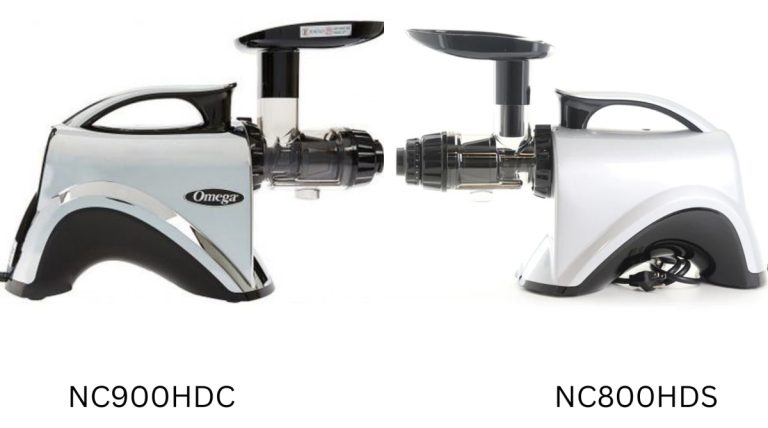
Before going further, let’s clear this up: the NC800 and NC900 are functionally identical. Same motor, same auger, same performance. The only real difference is the exterior finish.
The NC800HDS comes in a silver plastic housing, while the NC900HDC has a chrome-plated finish that looks a bit more premium. The NC900 typically costs about $20–$25 more, purely for aesthetics.
For this review, we treat them as the same juicer.
Build Quality & Warranty
As far as build quality goes, we’ve seen these machines running reliably for close to a decade with no major issues. This is a well-built juicer made in South Korea, a country known for producing some of the best juicers in the world.
The body feels solid, the auger is durable, and the motor is strong without being noisy. It offers a 30-minute continuous runtime before rest, which is longer than many cheaper juicers in this category that are typically limited to 15–20 minutes.
And if anything breaks due to no fault of your own, the entire machine — including all parts — is covered for 15 years.
That’s why we don’t recommend juicers with short warranties. In our experience, machines with limited coverage are rarely engineered for long-term use. You might save a little upfront, but chances are you’ll be replacing it later.
How to prep the produce?
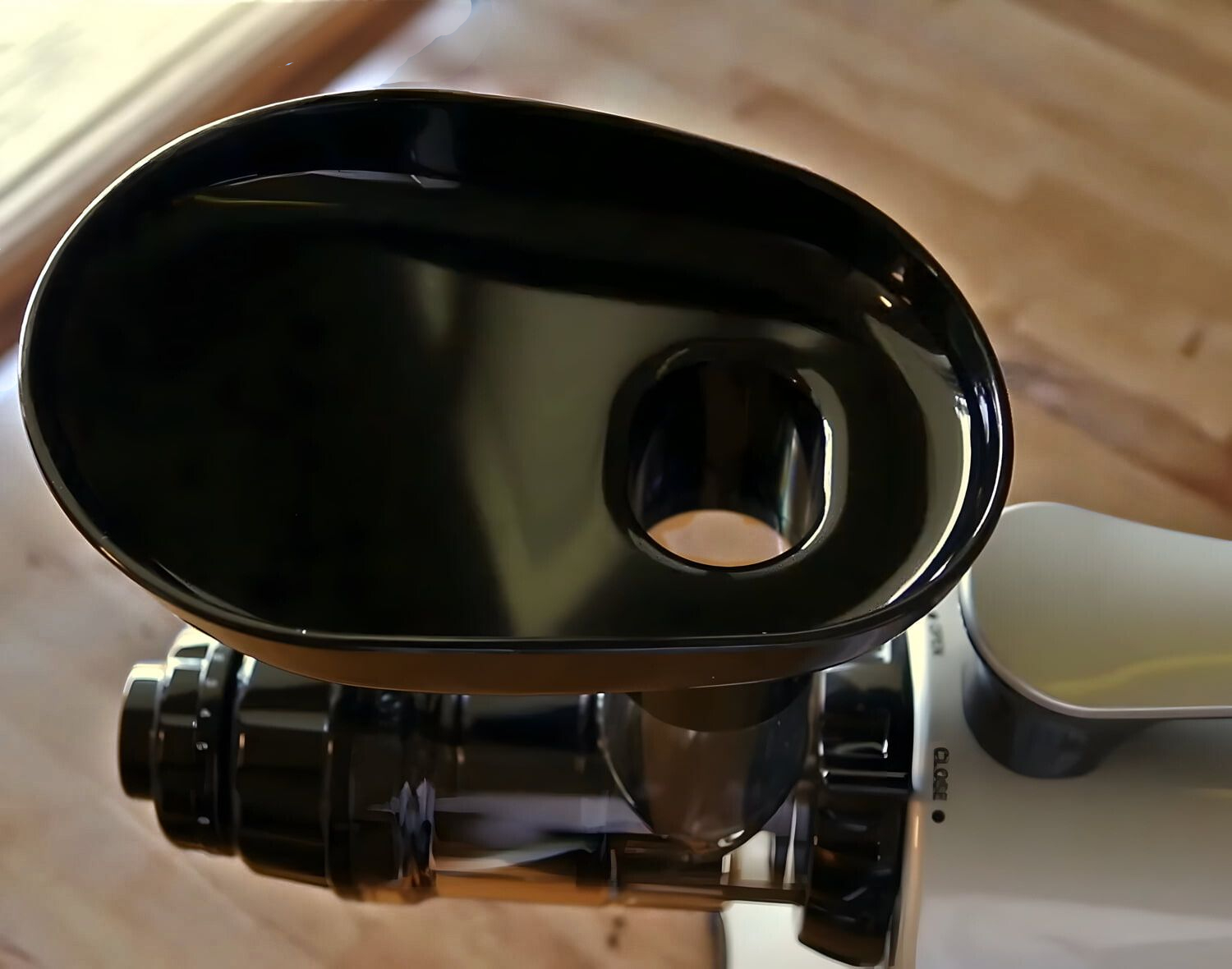
The feed chute is larger than the predecessor Omega 8006, but like most horizontal juicers, it’s still smaller than what you’ll find on vertical slow juicers.
Hard produce like carrots can often go in whole if they fit, though thicker pieces may need a quick cut. Where this juicer really stands out is with celery and leafy greens. In many vertical slow juicers, long fibers from celery and greens can clog the pulp outlet unless they’re chopped first. With the NC series, you can feed celery stalks and greens whole, without pre-cutting.
That’s one of the main reasons we love the NC models for green-heavy juices—less prep, smoother juicing, and far fewer jams.
What it can Juice?
The Omega NC800/NC900 is especially strong with leafy greens, celery, wheatgrass, and vegetable-heavy juices. It also handles hard vegetables like carrots and beets fairly well.
It’ll juice certain fruits like citrus great by themselves too, but very soft fruits, like ripe pineapple, work better when rotated with harder produce rather than juiced on their own.
Juicing Performance(Our Tests)
Leafy Greens & Celery
This is the NC series’ sweet spot.
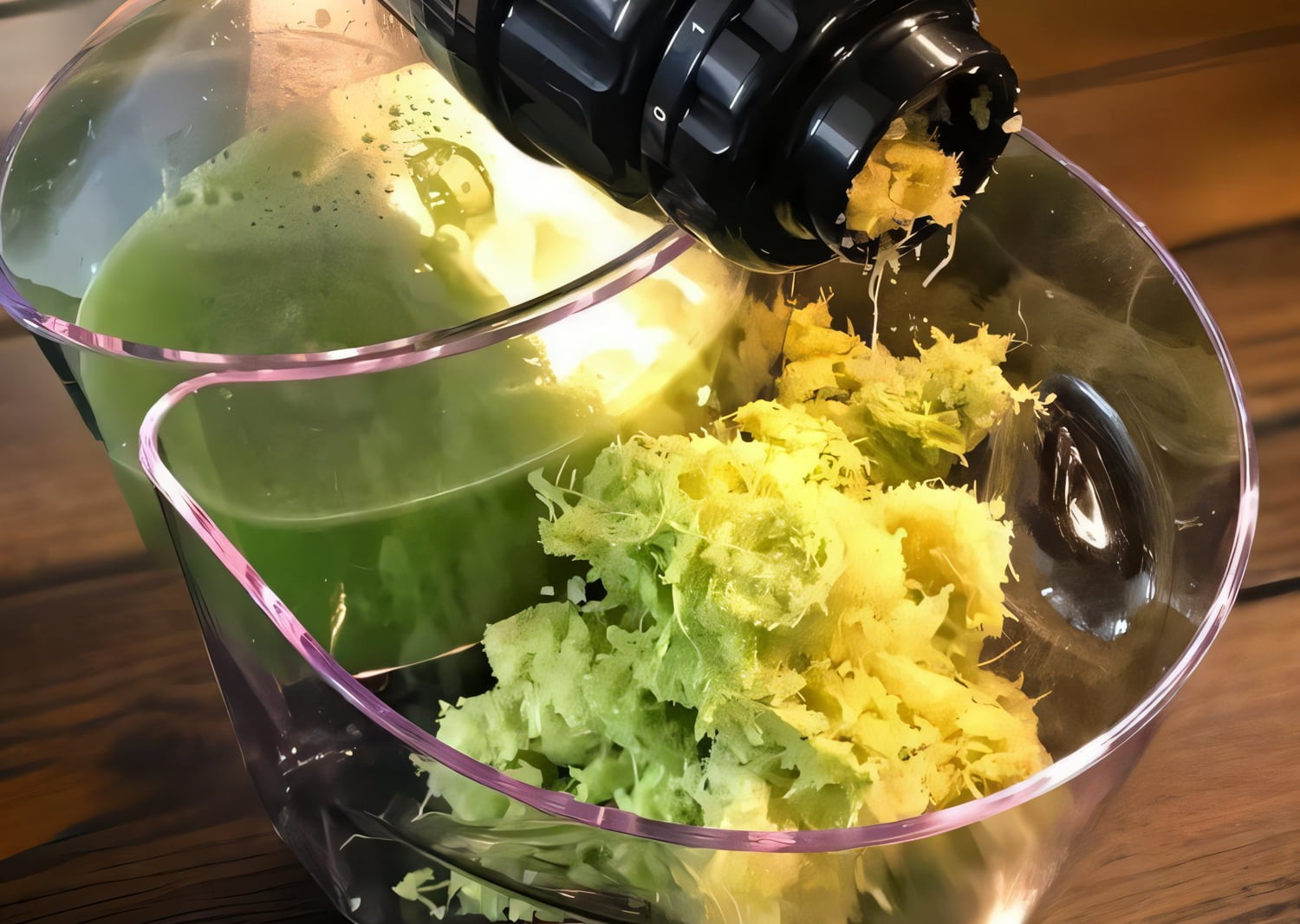
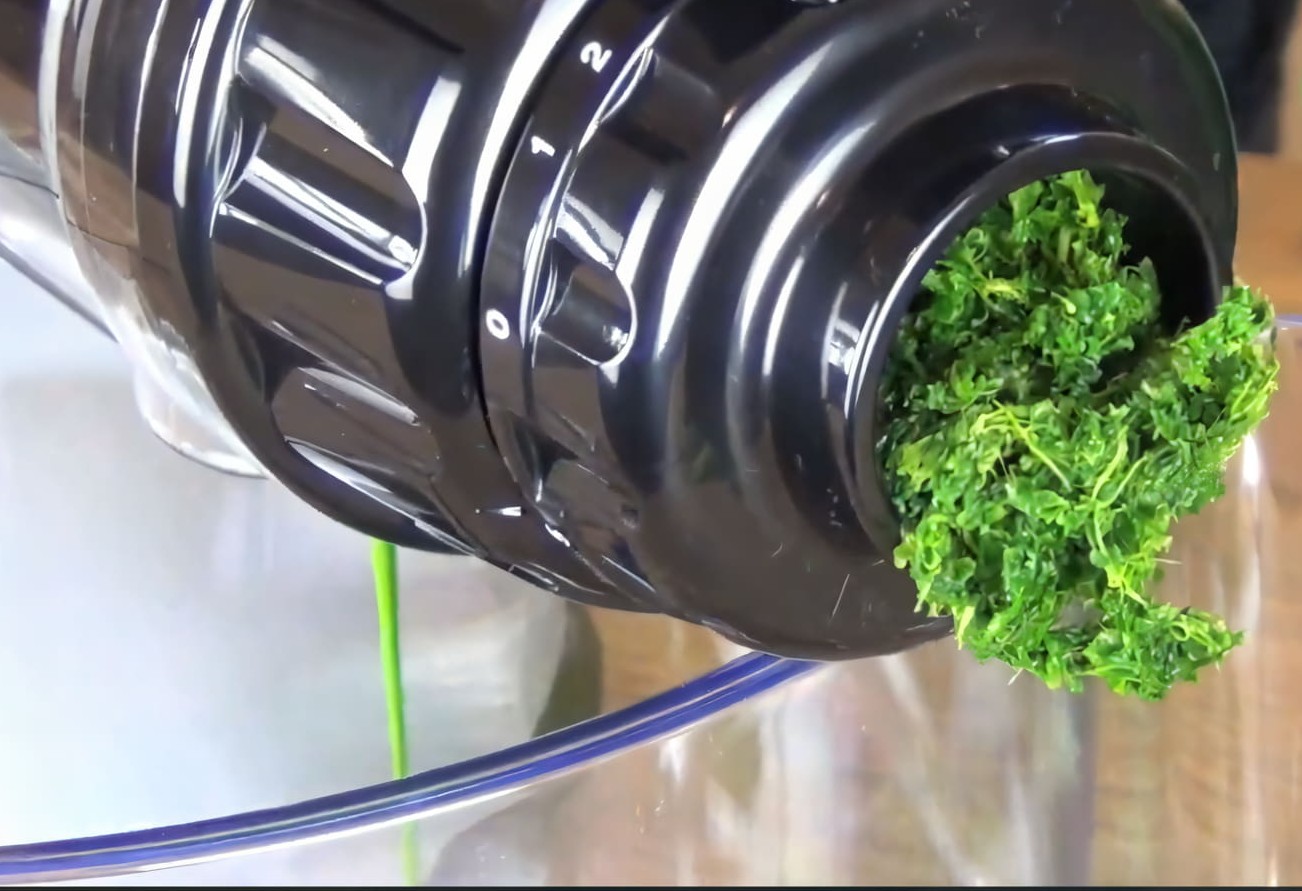
We juiced a mix of leafy greens by folding them and feeding them in with the pusher. No pre-cutting was needed.
Yield from greens was consistently much higher than centrifugal juicers and even edged out some vertical slow juicers by roughly 5–7% in our tests. Twin-gear juicers still extract more, but they’re also far more expensive and noticeably harder to clean, so there’s a trade-off.
Celery was equally impressive. While celery produces decent yield in almost any juicer due to its high water content, the NC800 stood out when we factored in juice quality, ease of use, and cleanup. Unlike many vertical slow juicers, where long celery fibers clog the outlet if not pre-cut—the NC800 handled whole celery stalks without any issues.
Centrifugal juicers were faster and easy with celery, but the juice quality simply wasn’t as rich as what we got from the NC series.
Hard Vegetables
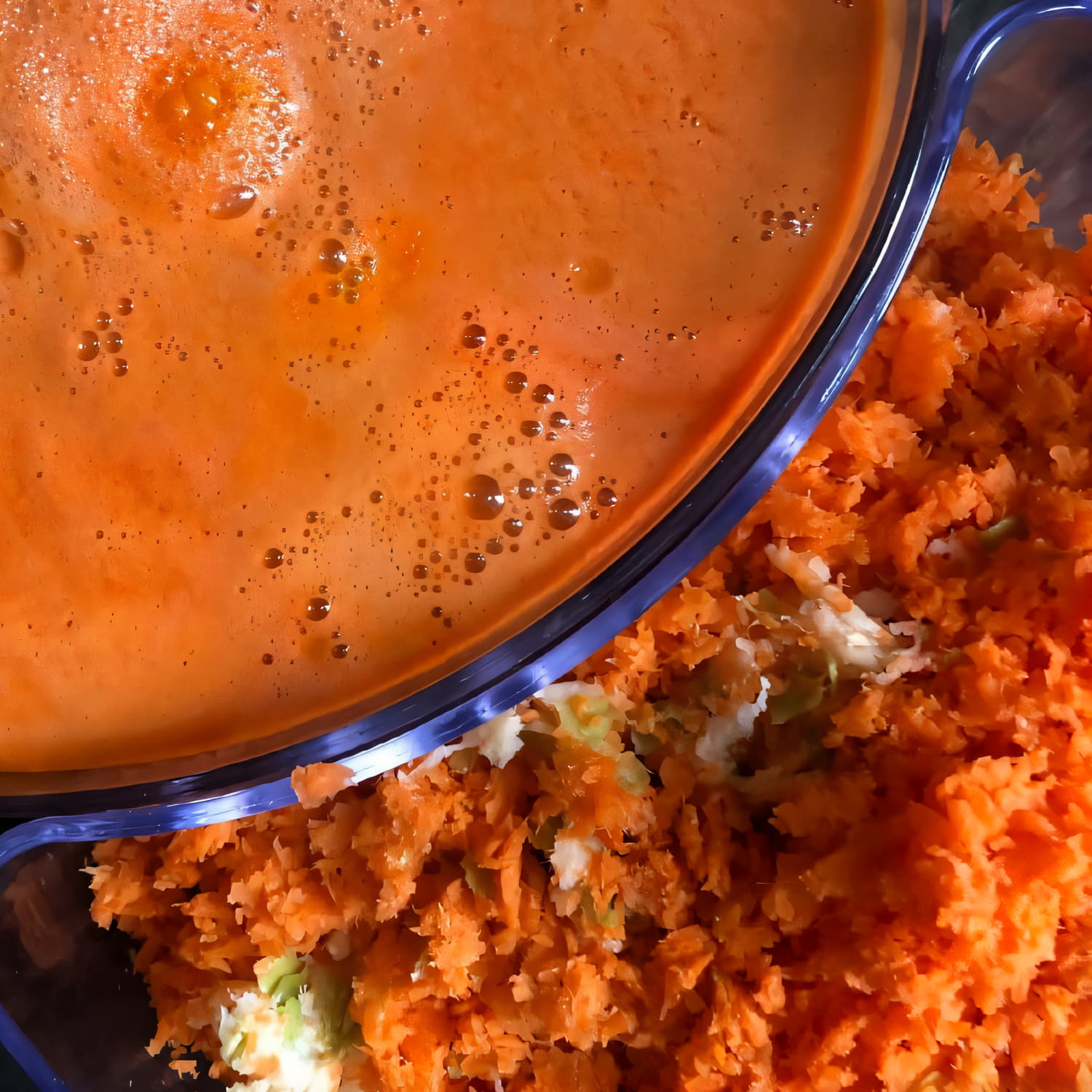
Carrots performed well too. We set the adjustable end cap to 5. This keeps the pulp inside longer, squeezing it more thoroughly before ejecting. The results were strong for a single-auger horizontal design.
Fruits
We juiced oranges and grapes with excellent yields. Apples also did well.
Ripe pineapple, however, did cause some backing up. That’s typical for horizontal juicers when processing very soft fruits. The fix is simple: alternate soft fruits with something hard or fibrous like carrots, celery, or ginger. A rhythm like pineapple → celery → pineapple kept everything flowing smoothly.
Overall Performance Summary
The NC800 excels at greens, celery, and wheatgrass, performs well with vegetables, and can juice fruits well, but it isn’t ideal for fruit-heavy or fruit-only juicing.
Juice Quality & Taste
The NC800 runs at a slow 80 RPM, which minimizes oxidation compared to high-speed juicers that whip air into the juice. The result is higher-quality juice.
We tasted it side by side with other juicers, and the juice came out clean and rich, with only very fine pulp. It doesn’t produce the heavy, pulpy juice that many slow juicers do.
Multifunctional Capabilities
The NC800 isn’t just a juicer. Swap the juicing screen for the solid blank plate, and it doubles as a basic food processor.
You can make frozen fruit sorbets, nut butters, nut milks, grind coffee beans, mince garlic, and puree cooked or raw fruits and vegetables for baby food or easy-to-digest meals. It can even extrude simple pasta shapes with dough.
We especially like making “ice cream” using just frozen fruit — no additives, no artificial sweeteners, just real fruit.
It won’t replace dedicated appliances, but as a bonus feature, it’s genuinely useful and something we actually use.
Assembly and Cleaning
Cleaning is often the biggest reason people hesitate to juice. We hear it all the time: “I love the idea of juicing, I just hate cleaning.” Thankfully, the Omega NC800/NC900 makes this part easy.
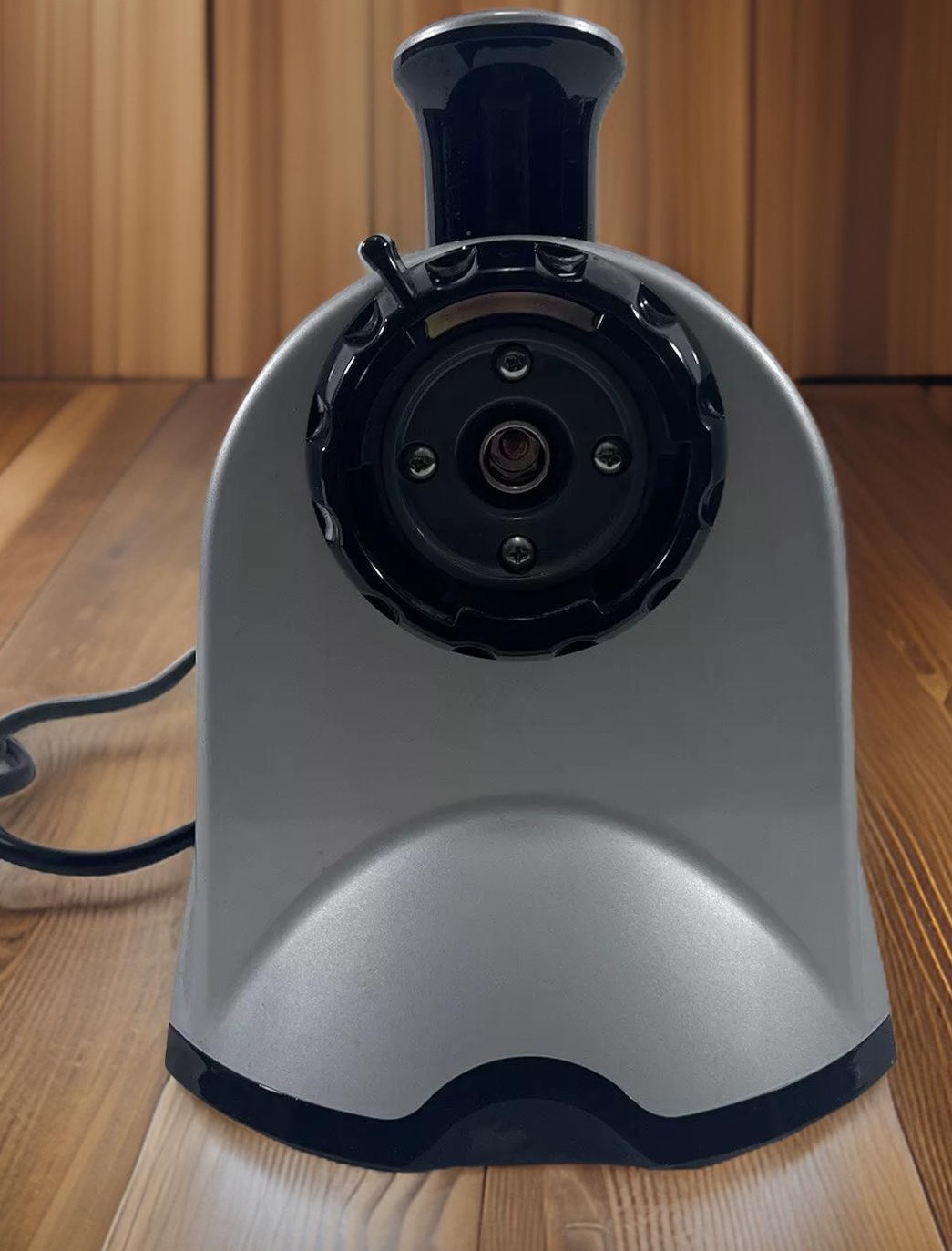
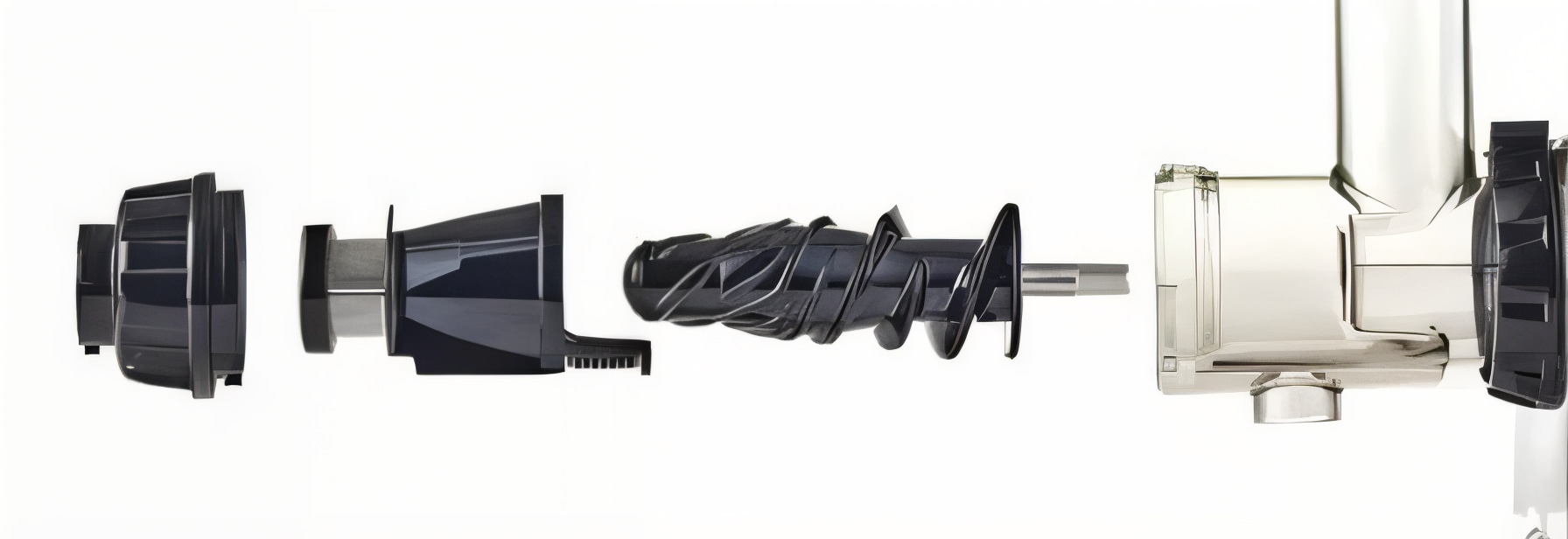
The juicer has very few parts to deal with— end cap, juicing screen, auger, and the blank end. Everything comes apart quickly and fits back together just as easily.
It takes us about two minutes to clean. One reason is the small juicing screen. Screens are typically the hardest part to clean because fibers get stuck in the holes, but the NC series has less screen surface area, which makes brushing it out much faster.
Overall, it’s one of the easiest slow juicers to assemble and clean, and that goes a long way in making daily juicing more realistic.
Other Recommended Juicers
We recommend the Omega NC series primarily for people who juice a lot of leafy greens, celery, wheatgrass, and vegetable-heavy recipes. That’s where this machine truly shines.
If you prefer juicing a little of everything—or lean more toward fruit-heavy juices—a vertical slow juicer is usually a better fit. They handle soft fruits more easily.
Our personal favorite in that category is the Hurom H400. It’s the easiest juicer to assemble, use, and clean that we’ve tested so far. If you want something more budget-friendly, the Omega VSJ843 is still a solid vertical option with good all-around performance.
Final Words
The Omega NC800/NC900 is a proven juicer that has truly stood the test of time. It comes at a very reasonable price, especially considering the 15-year warranty on the entire machine. Add to that how easy it is to assemble and clean, and you get a juicer people actually stick with and use regularly.
It juices fruits just fine, but softer fruits perform best when mixed with harder produce. If your routine is mostly fruit-only juicing, a vertical juicer will be a better fit. But if leafy greens make up a big part of what you juice, the NC series remains one of the smartest choices you can make.

Leave a Comment