

Most people know they should eat more fruits and vegetables.
The problem is… actually doing it.
Juicing isn’t a miracle cure, but it can be one of the simplest ways to get more produce into your daily routine. By combining several ingredients into a single drink, fresh juice makes it easy to experiment with fruits, vegetables, herbs, and spices while adding nutrient-dense foods to your diet.
So what can juicing actually do for you?
Below are 31 potential benefits associated with juicing and the fruits and vegetables commonly used in fresh juice recipes.
Core Nutrition Benefits
#1 – Juicing Helps You Eat More Fruits and Vegetables
One of the simplest benefits of juicing is that it makes it easier to consume more produce. Many people struggle to meet daily fruit and vegetable recommendations. A single glass of juice can combine several ingredients that might otherwise feel like an entire meal.
#2 – Juicing Encourages Greater Variety in Your Diet
Juices often combine several ingredients at once, which naturally increases dietary variety. Many people discover new fruits and vegetables simply by experimenting with juice recipes.

#3 – Juicing Helps Support Hydration
Many produce ingredients used in juices — including cucumber, celery, watermelon, and citrus fruits — contain high amounts of water. Juicing these foods provides both hydration and nutrients at the same time
#4 – Juicing Delivers Multiple Nutrients in One Serving
Fruits and vegetables contain important nutrients such as vitamin C, potassium, folate, and antioxidants. Juicing concentrates several ingredients into a single drink, making it easier to include a range of nutrient-dense foods in your diet.
Heart and Circulation
#5 – Some Juice Ingredients May Support Sexual Health
Healthy circulation plays an important role in overall vitality — and a few juicing favorites may help support it. Watermelon contains citrulline, while beets provide dietary nitrates, nutrients linked to nitric oxide production and healthy blood flow.
Example Juice – Date Night Juice
- 1 small beet
- 1 cup watermelon
- 1 green apple (for sweetness and balance)
- 1 inch fresh ginger
#6 – Beet Juice May Support Healthy Blood Pressure
Beets contain natural dietary nitrates that the body converts into nitric oxide. Nitric oxide helps relax blood vessels and support circulation.
Because of this mechanism, beetroot juice has been widely studied in cardiovascular research. In several studies, drinking beet juice was associated with short-term reductions in blood pressure within a few hours.
Example Juice
- 1 beet
- 1 apple
- ½ lemon
#7 – Pomegranate Juice Contains Heart-Supporting Polyphenols
Pomegranate juice is rich in polyphenols — plant compounds known for their antioxidant properties. Researchers have studied these compounds for their potential role in protecting blood vessels and supporting cardiovascular health.
Energy and Performance
#8 – Beet Juice May Support Exercise Performance
Beet juice has become popular among athletes because of its nitrate content. Dietary nitrates may improve blood flow and oxygen delivery to muscles, which is why beetroot juice has been studied in endurance and performance research.
Example Juice – Pre-Workout
- 1 beet
- 1 carrot
- 1 apple
#9 – Ginger Juice May Support Exercise Recovery
Ginger has been studied in relation to exercise recovery. In one controlled study, ginger supplementation was associated with faster recovery of muscle strength following intense exercise.
Example Juice – Recovery Juice
- 1 apple
- ½ lemon
- 1 inch fresh ginger
#10 – Nutrient-Dense Juices May Support Energy Metabolism
Many fruits and vegetables contain nutrients involved in energy metabolism, including vitamin C, magnesium, and B vitamins. Juicing a variety of produce can help increase intake of these nutrients.
#11 – Potassium-Rich Produce Supports Electrolyte Balance
Potassium is an important electrolyte involved in nerve signaling and muscle contraction. Many fruits and vegetables commonly used in juices — including oranges, spinach, bananas, and cucumbers — naturally contain potassium. Including these ingredients in fresh juices can help support electrolyte balance.
Example Juice – Electrolyte Juice
- 1 orange
- ½ cucumber
- handful spinach
Digestive Health
#12 – Plant-Rich Juices May Support the Gut Microbiome
A growing body of research explores how plant-rich diets influence the gut microbiome. Fruits and vegetables contain polyphenols and other compounds that interact with gut bacteria. Juicing can help increase the variety of plant foods in your diet.
#13 – Some Juice Ingredients May Support Digestive Comfort
Certain produce ingredients — including ginger, pineapple, and papaya — contain enzymes and compounds that have been studied for their potential role in digestive comfort.
#14 – Juicing May Be Easier for Some People to Digest
Because juicing removes much of the insoluble fiber, some people find juices easier to consume than large servings of raw vegetables.
Brain and Sleep Health
#15 – Antioxidant-Rich Fruits May Support Brain Health
Berries, grapes, and other fruits contain antioxidants and polyphenols that researchers have studied in relation to brain health. These compounds may help protect brain cells from oxidative stress and support cognitive function.
#16 – Tart Cherry Juice Contains Natural Melatonin
Tart cherries are one of the few foods that naturally contain melatonin, a hormone involved in regulating sleep cycles. Because of this, tart cherry juice has been explored in studies related to sleep quality.
Example Juice – Sleep Support
• 1 cup tart cherries
• 1 kiwi
• handful spinach
#17 – Magnesium-Rich Ingredients May Support Relaxation
Magnesium plays an important role in nerve signaling and muscle relaxation. Some fruits and vegetables used in juices — including spinach, bananas, and avocados — contain magnesium. Researchers have studied magnesium in relation to stress response and sleep regulation.
Example Juice – Calm Juice
- 1 banana
- handful spinach
- ½ apple
Skin and Aging
#18 – Vitamin C Supports Collagen Production
Vitamin C plays an essential role in collagen synthesis, a structural protein that helps maintain skin firmness and elasticity. Because collagen levels naturally decline with age, foods rich in vitamin C — such as citrus fruits, strawberries, and kiwis — are often studied in relation to skin health.
Example Juice – Skin Glow
- 1 orange
- 1 kiwi
- ½ lemon
#19 – Antioxidant-Rich Produce Helps Protect Skin
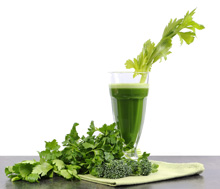
Many fruits and vegetables used in juices contain antioxidants that help protect skin cells from oxidative stress. Berries, citrus fruits, and leafy greens are commonly studied for their antioxidant compounds and their potential role in supporting skin health.
Example Juice – Antioxidant Glow
• ½ cup blueberries
• 1 orange
• handful spinach
Vision and Eye Health
#20 – Carotenoid-Rich Produce Supports Eye Health
Carrots, spinach, kale, and other leafy greens contain carotenoids such as beta-carotene, lutein, and zeaxanthin. These compounds are widely studied for their role in supporting normal vision and protecting eye tissues from oxidative stress
Example Juice – Vision Boost
- 3 carrots
- 1 orange
- handful spinach
Hair Health
#21 – Fruits and Vegetables Provide Nutrients for Healthy Hair
Hair health depends on a variety of nutrients including vitamin A, vitamin C, iron, and antioxidants. Juicing fruits and vegetables can help increase intake of these nutrients, which support normal hair follicle function and cell growth.
Example Juice – Hair Nourish
• 1 carrot
• 1 apple
• handful spinach
• ½ lemon
Immune Support
#22 – Warm Citrus-Ginger Juices May Soothe Sore Throats
Lemon and ginger have long been used in soothing drinks during colds. While not a medical treatment, citrus-ginger juices can be comforting when the throat feels irritated.
#23 – Citrus Fruits Provide Immune-Supporting Vitamin C
Citrus fruits such as oranges, lemons, and grapefruits are rich in vitamin C, which supports immune system function.
Example Juice – Immune Boost
• 1 orange
• ½ lemon
• 1 cup pineapple
Anti-Inflammatory Nutrition
#24 – Turmeric Juice May Support Menstrual Comfort
Turmeric contains curcumin, a compound researchers have studied in relation to menstrual discomfort and period pain. Some clinical studies have explored curcumin supplementation for its potential role in reducing the severity of dysmenorrhea.
Example Juice – Cycle Support Juice
- ½ lemon
- ½ inch fresh turmeric root
- ½ inch fresh ginger root
- 1 apple (or 1 tablespoon honey for sweetness)
- optional pinch of black pepper (may help improve curcumin absorption)
#25 – Polyphenol-Rich Fruits May Support Inflammatory Balance
Berries, cherries, grapes, and pomegranates contain polyphenols that researchers have studied for their antioxidant and anti-inflammatory properties.
#26 – Ginger Contains Bioactive Compounds
Ginger contains natural compounds called gingerols that have been widely studied in relation to inflammation and antioxidant activity. Adding a small piece of fresh ginger can enhance both flavor and nutritional value.
- Example Juice – Anti-Inflammatory
- 1 apple
- 1 carrot
- ½ lemon
- 1 inch ginger
Practical Everyday Benefits
#27 –Juicing Can Replace Sugary Drinks
Many people consume excess sugar through sodas and sweetened beverages. Vegetable-based juices can provide a more nutrient-dense alternative while still offering flavor and hydration.
#28 –Juicing Makes Bitter Vegetables Easier to Consume
Some of the most nutrient-dense vegetables — including kale, arugula, and dandelion greens — have naturally bitter flavors that many people find difficult to eat in large amounts. Juicing allows these ingredients to be combined with sweeter fruits or milder vegetables, making them easier to consume while still benefiting from their nutrients.
Long-Term Lifestyle Benefits
#29 – Juicing Encourages Greater Awareness of Healthy Foods
Many people find that once they start juicing, they naturally begin paying more attention to the foods they eat. Shopping for fresh produce and experimenting with ingredients often leads to healthier choices beyond juice itself.
#30 – Juicing Can Become a Healthy Daily Ritual
Preparing juice each day can become a simple routine that encourages consistent consumption of fruits and vegetables.
#31 – Juicing Makes Healthy Eating More Enjoyable
Colorful juices, interesting flavor combinations, and the ability to experiment with ingredients can make healthy eating feel more enjoyable.
Final Thoughts
Juicing shouldn’t replace whole fruits and vegetables, but it can be a convenient way to include more produce in your daily routine.
For many people, juicing becomes a simple habit that makes it easier — and more enjoyable — to consume a wide variety of nutrient-dense foods.