
Getting Started with Juicing
If you’re reading this, you’ve likely heard about juicing and want to learn more. With commercials, ads, books, videos—and even retail juice bars—dedicated to this popular trend, it’s nearly impossible to avoid. But before you jump in and give it a try, you might have some questions.
What exactly is juicing? Why is it so popular? What do you need to get started? What are the important things to consider?
If you’re looking for the answers to these questions, you’ve come to the right place.
After years of daily juicing and testing juicers across every major category, we’ve found that getting started is usually much simpler than most people expect.
Let’s take a look.
What Is Juicing?
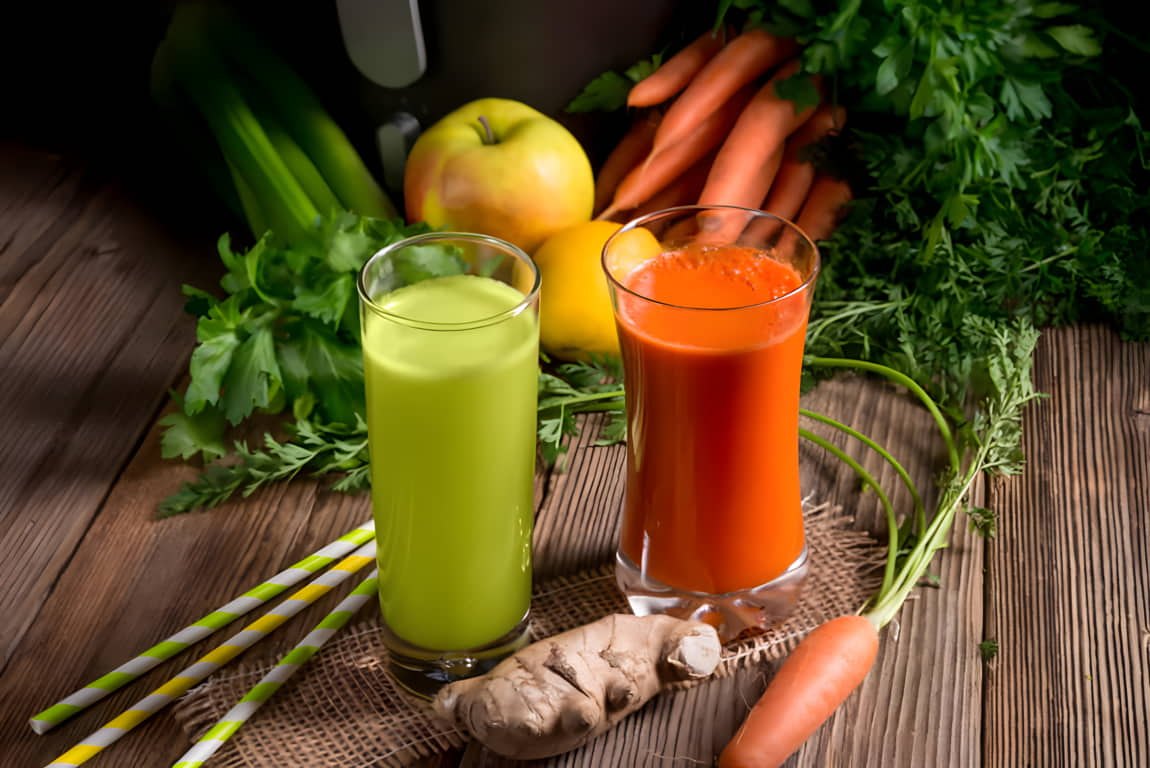
Juicing is the process of extracting liquid from fresh fruits and vegetables using a juicer, leaving most of the fiber behind. The result is a smooth drink made from fresh produce.
It sounds fairly easy, but there are a few important things to understand when getting started. Don’t worry—we’ll break it down.
Why Juice?
Juicing has become popular largely because it offers a convenient way to consume fruits and vegetables. Let’s look at some of the reasons people enjoy juicing.
An Easier Way to Consume Vegetables
Many people struggle to eat enough vegetables, especially leafy greens.
Juicing makes it easier to incorporate ingredients like spinach, kale, celery, and cucumber into your diet. Pairing them with fruits or naturally sweet vegetables like carrots or apples can make the flavor much more enjoyable.
For people who find it difficult to eat large amounts of vegetables, juicing provides a simple way to include more of them in everyday meals.
Quick to Prepare
Another reason many people enjoy juicing is convenience.
Most juices take only a few minutes to prepare. The process usually involves washing the produce, cutting larger items if needed, and feeding them into the juicer.
Within minutes, you have a fresh glass of juice.
A Concentrated Source of Produce
Juicing also allows you to consume several fruits and vegetables in a single serving.
A single glass of juice may include multiple ingredients, providing a concentrated source of vitamins, minerals, and beneficial plant compounds found in fresh produce.
For many people, juicing becomes an easy way to increase their daily intake of nutrient-dense foods.
What Kind of Juicer Should You Buy?
Despite some manufacturers’ claims, no single juicer does everything perfectly. And while higher-quality machines often cost more, you don’t necessarily need to spend a fortune to buy a good juicer.
Two of the most important considerations are:
- the types of produce you plan to juice
- your budget
There are two main types of juicers: centrifugal and masticating. Let’s take a look at how they work.
Centrifugal Juicers
These are the most common and typically the most affordable type of juicer.
They extract juice using a fast-spinning blade and a fine stainless-steel mesh strainer. The blade breaks down the produce, and centrifugal force separates the juice from the pulp and pushes it through the mesh.
Pros
- Usually less expensive
- Fast juicing speed
- Easy to use
Cons
- Not ideal for leafy greens or grasses
- Produces slightly lower juice yield
- Juice tends to oxidize faster compared with slow juicers
- Louder during operation
Masticating Juicers
Much like a meat grinder, these juicers use a slow-turning auger to crush and press fruits and vegetables, squeezing out the juice.
Pros
- Works well with a wide variety of produce, including leafy greens
- Typically produces higher juice yield
- Produces richer juice with better texture
- Quieter during operation
- Some models can also prepare foods such as nut milk or frozen fruit desserts
Cons
- Usually more expensive
Because of their versatility and juice quality, we generally prefer slow juicers for most types of juicing—especially for leafy greens.
That said, beginners can absolutely start with a centrifugal juicer. They’re affordable, easy to use, and a perfectly good way to begin juicing.
What Else Should You Consider?
Eating vs. Juicing
Some people mistakenly believe they can replace eating fruits and vegetables entirely by juicing them.
In reality, most nutrition experts recommend consuming whole fruits and vegetables as part of a balanced diet, since they contain valuable fiber.
Juicing removes most of that fiber. However, it can still be a helpful way to incorporate more fruits and vegetables into your routine—particularly for people who struggle to eat enough produce.
Ideally, juicing should complement a balanced diet rather than replace whole foods.
Juicing vs. Blending
In addition to juicing, many people also use blenders to make smoothies.
Juicing extracts the liquid from fruits and vegetables, while blending purees the entire ingredient—including the fiber—into a thicker drink.
Because smoothies retain fiber, they tend to be more filling and digest more slowly. Juices, on the other hand, are lighter and easier to drink.
Both approaches have their place, and many people choose to enjoy both juices and smoothies as part of their routine.
What Produce to Juice
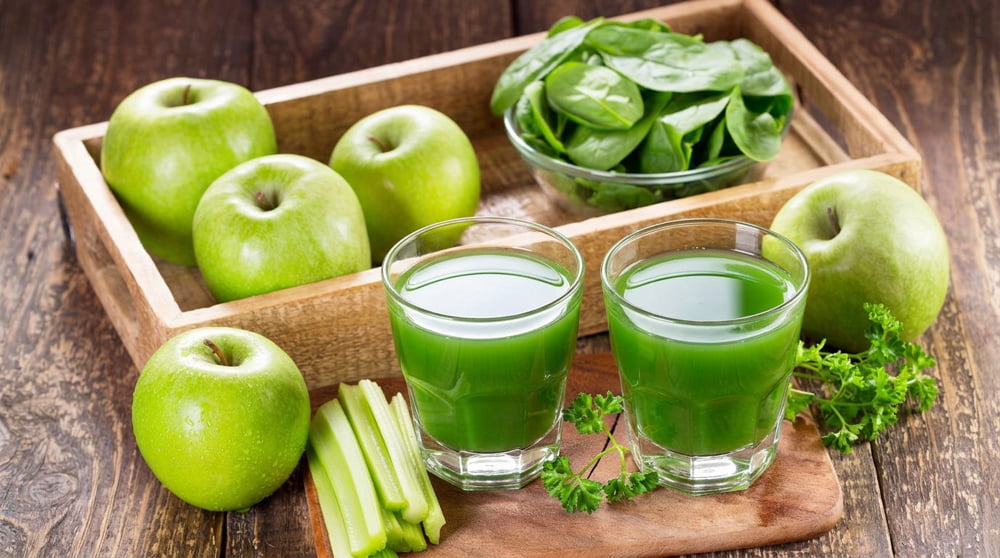
If you can eat it, you can probably juice it. However, that doesn’t necessarily mean every combination will taste good.
There are countless juice recipes available online and in cookbooks. When starting out, it’s usually best to keep things simple.
Stick to about 3–5 ingredients per juice until you become comfortable experimenting. A mix of fruits, vegetables, and leafy greens usually produces the most balanced flavors.
It’s also a good idea to rotate ingredients rather than making the exact same recipe every day. Using a variety of produce helps provide a broader range of nutrients.
When to Drink Your Juice
Many people prefer to drink fresh juice in the morning, often before breakfast.
However, juice can be enjoyed at any time of the day as part of a balanced diet.
Storing and Transporting Juice
Fresh juice is generally best consumed soon after it is made.
Once juice is exposed to air, oxidation gradually reduces freshness and flavor. If you need to store juice for later, place it in a tightly sealed container such as a glass mason jar and refrigerate it.
As a general guideline:
• Juice from slow juicers can often be stored up to 72 hours
• Juice from centrifugal juicers is usually best consumed within 24 hours
Cleaning Your Juicer
For obvious health reasons, it’s important to keep your juicer clean.
Never leave a dirty juicer sitting after use. Small food particles can dry quickly and become difficult to remove, especially in screens and crevices.
If you can’t clean the juicer immediately, at least rinse or soak the parts to prevent pulp from drying on the components.
Regular cleaning helps keep your juicer working properly and makes future cleanup much easier.
Final Thoughts
Juicing doesn’t have to be complicated.
Start simple with ingredients you enjoy, then gradually introduce more vegetables and leafy greens as your taste adapts.
The most important thing isn’t the machine—it’s building the habit. Once juicing becomes part of your routine, it’s one of the easiest ways to consistently add more fruits and vegetables to your diet.
Over time, many people find that juicing becomes a simple lifestyle centered around consuming more fresh produce.