
Juicer.Kitchen Verdict

The Angel really is the Rolls-Royce of juicers. In our testing, no other home juicer matched its juice yield or produced pulp this dry.
That said, the performance comes with trade-offs. Celery and leafy greens self-feed easily, but harder produce like carrots require some pressure. Assembly is straightforward, but cleaning takes about 4 minutes for us—roughly 2 minutes longer than the easiest-to-clean machines.
If most of your juicing is fruit-heavy, a vertical auger juicer is usually a better fit.
Yes, it’s expensive. But if you juice frequently, the amount it extracts can save you money over time. And if you’re willing to trade a bit of convenience for highest extraction, juice quality, and build quality, the Angel remains our top recommendation.
Pros
Exceptional for hard vegetables, roots, and leafy greens
Maximum juice yield
Highly nutritious juice
Fully stainless-steel construction (no plastic contact)
Cons
Not the easiest to clean
Narrow feed chute
Requires feeding effort with hard produce like carrots
Expensive
Why You Can Trust Juicer.Kitchen: We’ve been reviewing juicers for more than 12 years and have influenced over $3M in juicer purchases. Every recommendation here is based on hands-on testing, not marketing claims.
Angel Juicer Detailed Review
Intro
The Angel Juicer has been around for many years, and when it first launched, it genuinely stood out—a fully stainless-steel twin-gear juicer delivering levels of extraction that were rare at the time.
Since then, Angel has made only small refinements—largely because the core design worked so well from the start. Even today, in our testing, it remains a clear step ahead of most home juicers in overall yield and juice quality, especially for vegetables and leafy greens.
Which Angel Juicer Variant Should You Buy? 5500 vs 7500 vs 8500
All Angel models use the same motor and twin-gear system, so yield, juice quality, and overall performance are essentially identical. The differences come down to convenience features and materials.
- Angel 5500: Base model with manual reverse. If something gets stuck, you flip the switch yourself.
- Angel 7500: Adds auto-reverse, which clears jams automatically and makes everyday juicing easier.
- Angel 8500: Includes auto-reverse and uses surgical-grade stainless steel (SUS-316) instead of food-grade stainless steel (SUS-304), offering improved resistance to salt and acidic exposure.
Our take:
The 5500 delivers full Angel performance at the best price. The 7500 is the most practical choice for most people. The 8500 mainly makes sense if you live near the ocean, in a high-salt environment, or tend to leave the juicer uncleaned for longer periods.
Juicing Mechanism (Why Yield Is So High)
To understand why the Angel produces such high yield, you need to look at how it juices. The Angel uses a twin-gear system running at 82 RPM, capable of applying far more pressure than single-auger designs.
What sets it apart is how refined this system is:
- Longer twin gears than most competing twin-gear juicers
- A juicing screen with a very large surface area
The result is genuinely dry pulp—not just “pretty dry”. This level of extraction is something we haven’t seen matched by other masticating juicers in our testing.
Produce Prep
Leafy greens and long, fibrous produce feed very easily through the Angel. Kale, spinach, celery, and similar greens can be fed whole or lightly rolled, and the twin gears pull them in naturally with no need to push or pre-chop.
Because this is a horizontal design, the feed opening isn’t as wide as on vertical or centrifugal juicers. Thicker produce like large beets or apples should be cut into slimmer pieces so they feed smoothly.
Juicing Performance (Our Tests)
We tested the Angel side-by-side against a high-quality vertical slow juicer, a horizontal single-auger juicer, and a centrifugal machine, using 2 lbs of each produce type. The goal was simple: compare yield and real-world usability.
Leafy greens
This is where the Angel clearly separates itself.
Kale, spinach, and wheatgrass were fed whole or lightly rolled, and the twin gears pulled the strands in naturally.
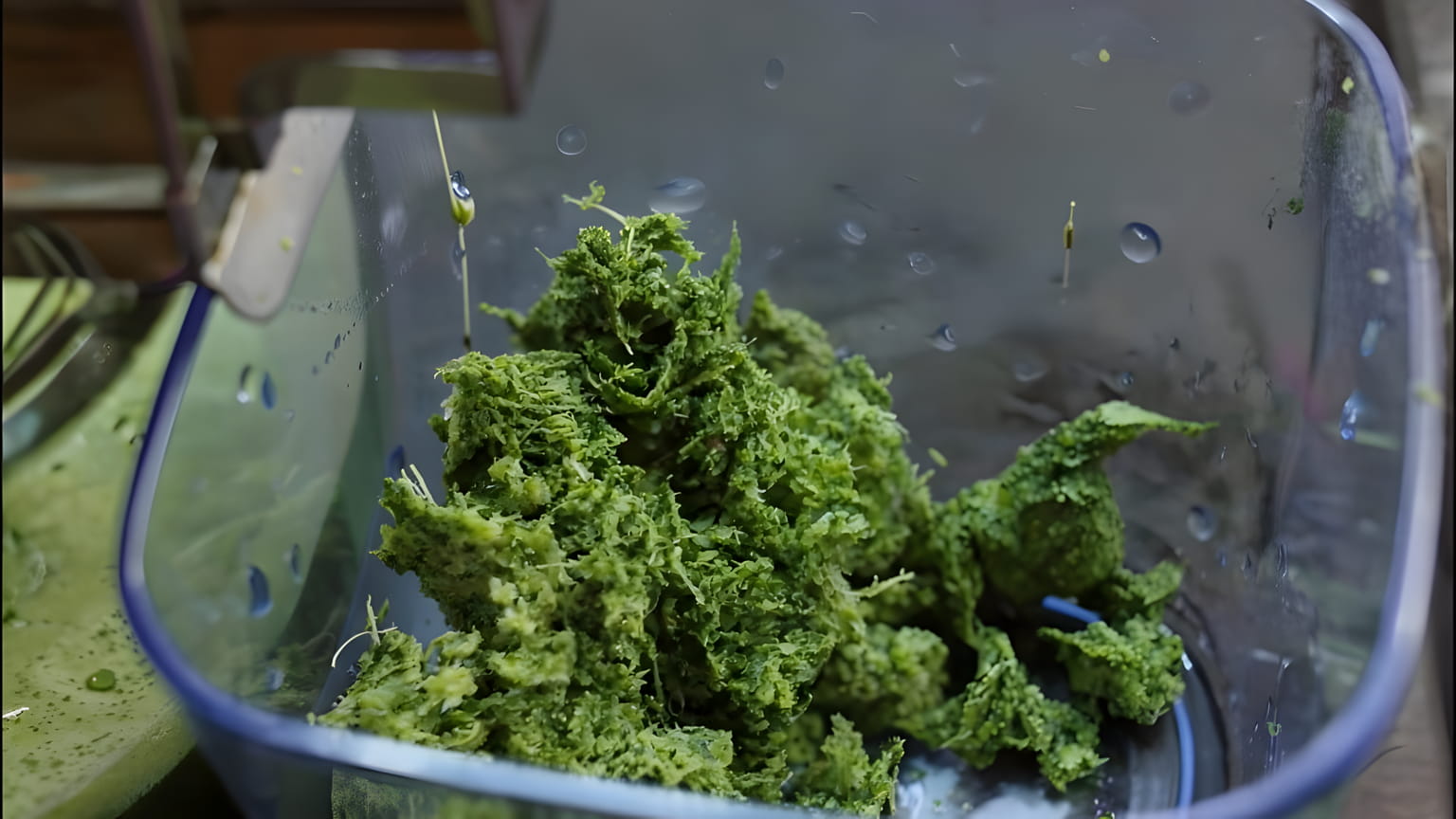
The Angel produced noticeably more juice than both vertical and horizontal single-auger models, and roughly double the yield of a centrifugal juicer. The pulp was extremely dry—squeezing it by hand produced virtually no additional juice.
For leafy greens, this was the best overall juicing experience we’ve had. Feeding was easy, and we did not encounter the clogging sometimes seen with vertical juicers when greens aren’t cut smaller. Yield was the highest among the machines tested.
Hard Vegetables – Carrots
Hard vegetables are another area where the Angel performs exceptionally well, though with a trade-off.
Carrots require some pressure to feed through the twin gears, and pushing too aggressively can cause slight forward tipping. In return, the yield advantage is substantial.
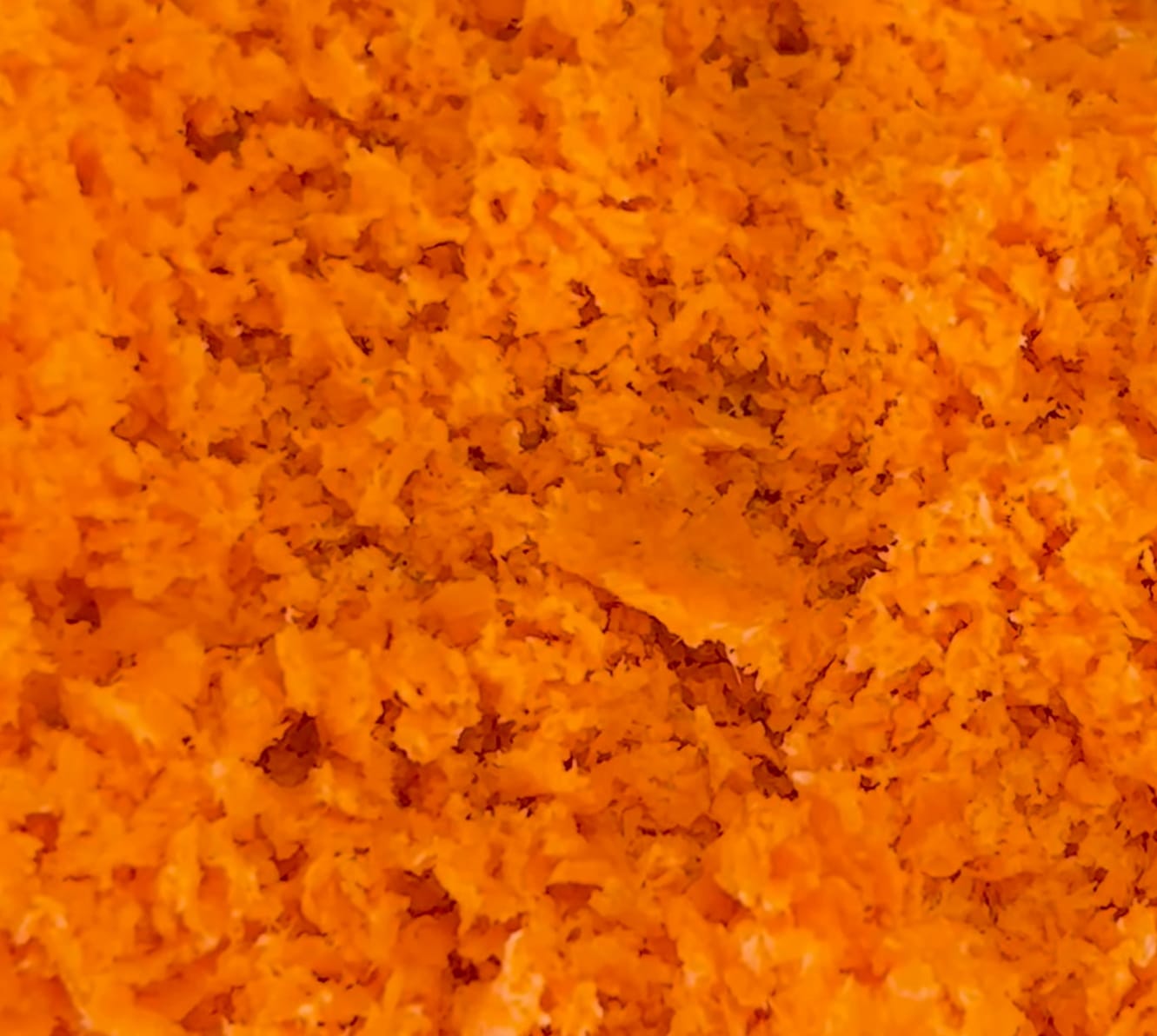
The Angel extracted the most juice, beating both vertical and horizontal single-auger juicers by a wide margin. The pulp came out bone dry. Single-auger machines typically do not apply the same level of pressure on dense produce, which helps explain the yield difference.
If carrots are a regular part of your routine, the produce savings add up over time. If ease of feeding matters more, a vertical juicer may be more convenient day to day.
Watery Vegetables – Celery
Celery self-fed smoothly with minimal resistance. Whole stalks were pulled in naturally without the clogging often seen in vertical designs.
Yield was highest, though the margin was smaller due to celery’s naturally higher water content. The juice was fuller and less watery than juice from a centrifugal machine.
Fruits – Oranges, Apples, Grapes, Pineapple
Grapes
With most fruits, the Angel again led on yield, though by smaller margins than what we observed with vegetables.
It extracted about 8% more juice from grapes, 3% more from apples, and around 4% more from oranges compared to a high-end vertical juicer.
Pineapple
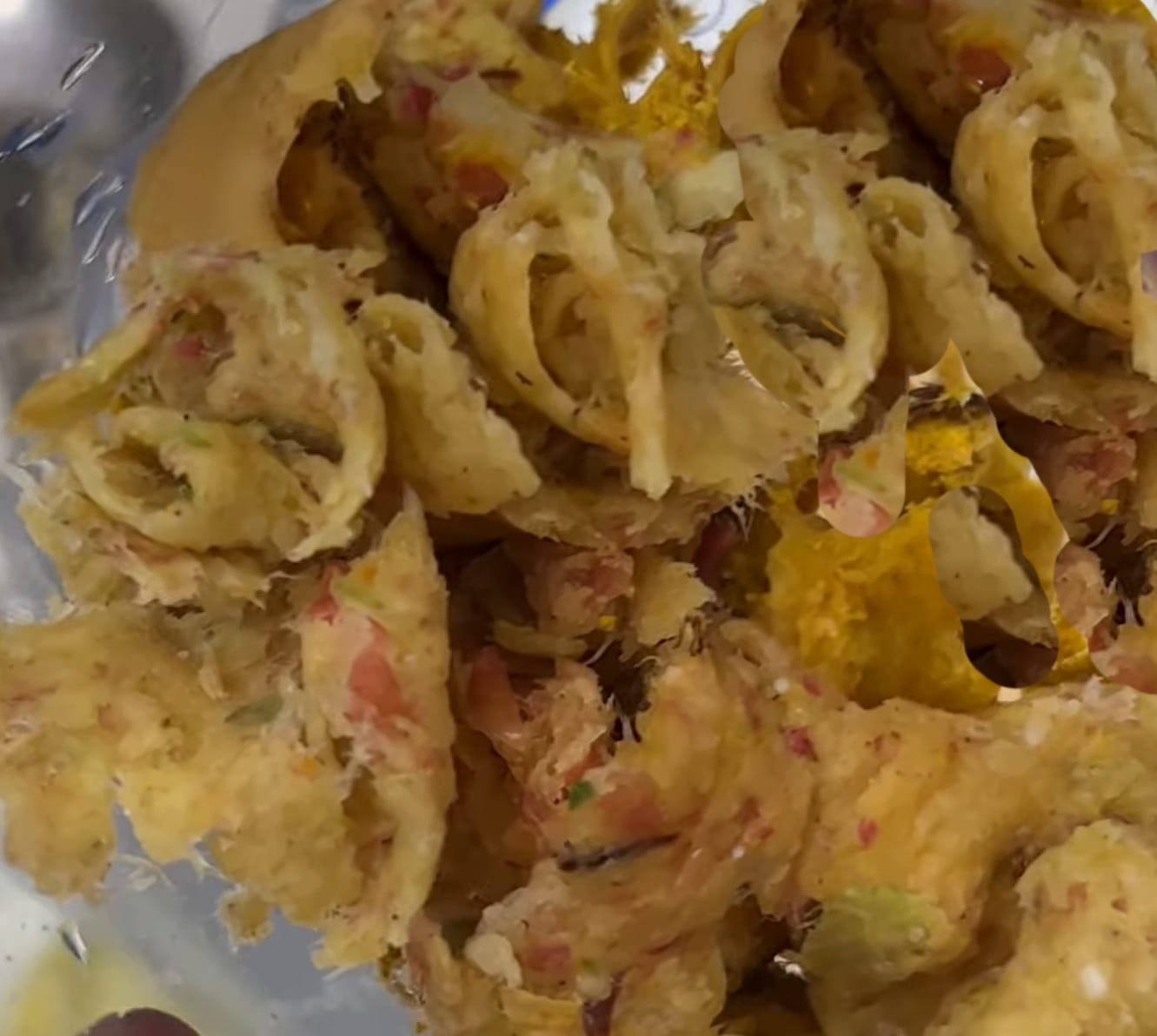
Pineapple was the one exception. Because of its soft, fibrous texture, juicing it alone caused some backing up. In this case, the vertical juicer edged ahead on yield. Alternating pineapple with firmer produce resolved the issue.
If your juicing is primarily fruit-based, a wide-mouth vertical juicer is usually more convenient. The Angel handles fruit well, but its true advantage becomes clear once vegetables and leafy greens are part of the mix. For a broader breakdown of how each design performs, see our Centrifugal vs Masticating vs Twin Gear Juicers comparison.
Overall Take on Performance
- Best in class for: Leafy greens, hard vegetables, maximum yield
- Trade-offs: Slower, requires more feeding pressure with dense produce, not ideal for fruit-heavy juicing
- Juice quality: Excellent
Bottom line:
If your priority is absolute yield and nutrient extraction, the Angel sits at the top. It does require more effort in certain situations, and that trade-off should factor into the decision.
Juice Quality
Beyond yield, juice quality is another area where the Angel performs exceptionally well. The twin-gear system breaks down fibers more thoroughly than single-auger or centrifugal designs, resulting in juice that tastes richer and more concentrated.
The juice consistently comes out smooth with minimal pulp. Because the Angel operates at just 82 RPM, oxidation is significantly lower than in high-speed centrifugal machines that run at over 10,000 RPM. The all-stainless-steel construction also eliminates plastic contact during juicing.
What Else Can It Make?
With the included juicing screen, you can make nut milks like almond milk or soy milk. It does not include a blank screen by default.
For nut butters or frozen fruit sorbets, Angel offers an optional Grinding Housing Filter. There is also a Soft Fruit Housing Filter designed for softer produce. Both attachments are sold separately and are relatively expensive due to their stainless-steel construction.
Warranty
Angel offers a 5-year warranty on parts like the housing filter, twin gears, and splash guard, along with a 10-year warranty on the motor base. The coverage is solid and aligns with the machine’s stainless-steel construction.
That said, some competing twin-gear juicers, like the Greenstar 5, offer longer warranties. Given the Angel’s price and positioning, a longer warranty would provide extra peace of mind and better match its premium build.
Assembly and Cleaning?
Assembly is straightforward. There are only three main parts—the twin gears, juicing screen, and splash guard—and it takes about 10 seconds to put everything together.
Disassembly is generally easy as well, though the screen can sometimes feel tight after juicing very fibrous produce like celery. In those cases, briefly running the juicer in reverse while pulling the screen off helps.
Cleaning is not the easiest part of ownership. The screen takes the most time, as pulp can lodge in the fine holes and inside the tube. For us, total cleanup averages about 4 minutes, roughly 2 minutes longer than the easiest-to-clean juicers. Angel includes two sturdy brushes—one for the gears and one for the screen—which help speed up the process, and all parts are dishwasher safe.
Comparison of Angel with other recommended Juicers
Angel vs Greenstar 5?
The Angel and Greenstar 5 are the two twin-gear juicers we trust most. In our tests, the Angel consistently produced about 5–15% more juice, depending on the produce.
Yield (fl oz) from 2 lbs of Produce
| Juicer | Carrots | Leafy Greens | Apples | Oranges |
|---|---|---|---|---|
| Angel Juicer | 21.8 fl oz | 25.0 fl oz | 22.0 fl oz | 20.0 fl oz |
| Greenstar Juicer | 17.3 fl oz | 22.2 fl oz | 21.5 fl oz | 18.9 fl oz |
The Angel is fully stainless steel, while the Greenstar 5 uses stainless steel augers paired with a plastic juice housing. Assembly is slightly simpler on the Angel due to fewer parts, though overall cleaning time is comparable, as the Angel’s screen can be more time-consuming to clean.
Where the Greenstar 5 stands out is value. It includes a soft fruit screen and sorbet screen out of the box and offers longer warranty coverage. For most people, the Greenstar 5 delivers a stronger price-to-performance ratio. However, if maximum yield and zero plastic contact are priorities, the Angel still holds the edge.
Angel vs Sana Supreme 727?
The Sana Supreme 727 is our favorite single gear horizontal juicer. It is much easier to use day to day. Juicing hard root vegetables like carrots requires less feeding pressure, it can run continuously without duty-cycle limits, and cleanup is quicker.
That said, the Angel still wins on pure extraction and the juice it produces has a slightly richer, fuller taste. Its fully stainless-steel construction is also unique in this category.
If your priority is the highest possible yield and all-stainless construction, the Angel is difficult to match. If you prefer a more user-friendly premium machine at a lower price point, the Sana Supreme 727 is an excellent alternative.
Final words?
If maximum yield and juice quality are what matter most to you, the Angel is hard to beat. In our testing, no other home juicer extracted as much juice or left pulp this dry—especially with vegetables and leafy greens. If you juice regularly or use organic produce, that difference adds up over time.
It’s not the most convenient machine to use. Hard produce requires some feeding pressure, and cleaning takes a little longer than easier single-auger designs. But if you’re willing to trade some convenience for higher extraction and a fully stainless-steel build, the Angel is one of the most capable home juicers you can buy.

Leave a Comment